
 Mariya Lytvynyuk
The 30-Second Greeting You'll Never Get Online
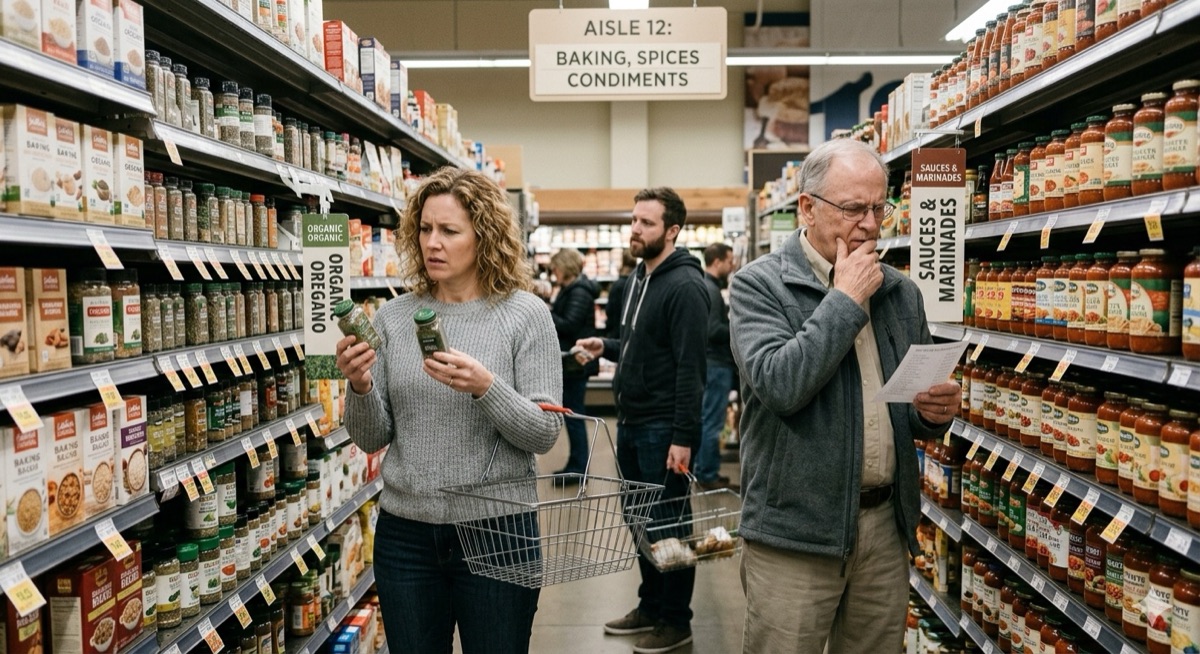
Walk into any good retail store and someone greets you within 30 seconds. They notice you pause in front of a shelf. They ask what you're looking for. They point you to the thing that actually fits your need — and quietly steer you away from the thing that doesn't.
Visit most online stores and you're completely on your own.
You browse. You scroll. You have a real question — about sizing, about compatibility, about which version is right for you — and there's nobody to ask. Just a search bar that needs the exact right words and an FAQ page that answers everything except the thing you actually wanted to know.
So you leave. Quietly. No complaint, no angry email, no review. Just another tab closed and another visitor gone.
The Silent Exit
This happens thousands of times a day on ecommerce sites everywhere. Not because the products are bad. Not because the prices are wrong. Because nobody was there to help at the moment it mattered.
In physical retail, we'd call this a disaster: a store full of customers walking in and walking out with no staff on the floor. No serious business would tolerate it for a single afternoon. Yet online, it's the default operating mode — and most brands don't even realize how much revenue they're losing because of it.
The reason it stays hidden is simple. An unhelped customer online doesn't make a scene. They don't fill out a form. They don't tell you they had a question about whether the jacket runs small or whether the charger works with their model. They just bounce, and the moment evaporates without leaving a trace in any dashboard you're looking at.
Why the Gap Exists
Most stores haven't ignored customer service on purpose. They've built the tools they thought were enough — and those tools quietly fail at the exact moment of highest intent.
The search bar — Search only works if the customer already knows the right words. Someone asking "will this fit a 13-inch laptop" rarely types the SKU or the product name your search index expects. A near-miss returns zero results, and a zero-result search feels like a closed door.
The FAQ page — An FAQ answers the questions you anticipated, in general terms. Real buying questions are specific and personal: "I'm between two sizes, which should I get?" "Does this work for sensitive skin?" "Will it arrive before Friday?" A static page can't reason about any of that.
The contact form — Even when help exists, it's asynchronous. "We'll get back to you within 24 hours" is useless to someone deciding right now, with their card half out of their wallet. By the time the reply lands, the moment — and the customer — is gone.
Each of these is a fine tool for the job it was built for. None of them does the one thing a good shop assistant does: answer the right question, for this person, at the second they're deciding.
It's a Service Problem, Not a Marketing Problem
Here's the reframe that changes everything. When stores see a gap between "visited" and "bought," they almost always reach for marketing fixes: more traffic, better ads, a bigger discount, another retargeting campaign. They pour budget into bringing more people to a store that still has nobody on the floor.
But the gap between landing on your site and checking out usually isn't a demand problem. The demand already showed up — that's what a visit is. The gap is a service problem. The customer wanted to buy and couldn't get the one answer that would have let them.
This distinction matters because the two problems have completely different price tags. Buying more traffic gets more expensive every year. Helping the visitors already on your site is a fixed investment that improves every conversion you've already paid for.
The Cost of the Leak
It's worth putting rough numbers to this, because the silent nature of the leak makes it feel smaller than it is.
Consider a store doing 100,000 visits a month at a 2% conversion rate. That's 2,000 orders — and 98,000 people who left. You don't need all of them to be lost buyers. If even a small fraction had one specific question that went unanswered, recovering a sliver of them moves the conversion rate in a way no ad campaign can match for the cost.
The leak compounds in three ways at once:
- The immediate lost sale, from the customer who couldn't get an answer.
- The lost lifetime value, because that customer also won't make their second or third purchase with you.
- The wasted acquisition spend, since you already paid to bring them to the site.
That third one is the quiet sting. Every unhelped visitor is a customer you bought and then lost at the doorway.
What "Help at the Moment It Matters" Looks Like
The fix isn't a bigger FAQ or a faster contact form. It's recreating, online, what a great shop assistant does in person: notice, understand, and answer in real time.
It meets the question in plain language
A customer should be able to ask "is this good for a beginner?" the way they'd ask a person — not reverse-engineer the keywords your search index wants. Help that understands natural questions removes the single biggest point of friction: having to know the right words before you can get an answer.
It knows the product and the context
Good help isn't generic. It draws on the catalog, the specs, the sizing data, the shipping cutoffs, and what the customer is actually looking at — so "which one should I get?" gets a real recommendation, not a link to a category page.
It's there at the moment of decision
The value of an answer decays by the second. Help delivered while the customer is still on the page is worth more than a perfect reply that arrives tomorrow. Presence at the deciding moment is the whole game.
How an AI Sales Agent Closes the Gap
This is exactly the gap an AI sales agent is built to close. Not a chatbot that loops customers through canned menus — a sales assistant that understands the question, knows the catalog, and helps the customer decide, around the clock, on every page.
Done well, it does for your online store what a great floor associate does in person:
Answers the real question — It understands "will this fit my space" or "is this safe for kids" in the customer's own words, and responds with specifics drawn from your products.
Guides toward the right product — Instead of leaving the customer to guess between five similar items, it asks the clarifying question a salesperson would, then recommends the one that actually fits.
Removes friction before it becomes an exit — Shipping timing, return policy, compatibility, sizing — the small uncertainties that quietly kill a sale get resolved in the moment, not in a support queue.
Works at full scale, instantly — Every visitor gets the 30-second greeting, whether ten people are on the site or ten thousand, at 2pm or 2am.
Where to Start
You don't need to overhaul your store to stop the leak. Start by finding it.
Listen to the questions you can't see. Read your search logs for zero-result queries. Skim the questions that do reach support and notice how many arrive after the customer already left. Each one is a question someone else had silently and didn't ask.
Map your highest-intent pages. Product and pricing pages are where decisions happen and where unanswered questions cost the most. That's where on-the-spot help earns its keep first.
Put help where the deciding happens. The goal is simple: no visitor with a real question should have to leave to get it answered.
The brands winning in 2026 aren't just getting more people through the door. They've noticed that the door has been propped open this whole time — and they've finally put someone on the floor to help the customers who were already there.
Frequently Asked Questions
It's the revenue lost when customers leave an online store because they couldn't get an answer at the moment they needed it. Unlike a complaint or a return, it leaves no trace — the unhelped visitor looks identical in analytics to someone who was never going to buy — which is why most stores never realize how much it's costing them.
Search only works when the customer already knows the right keywords, and a zero-result search feels like a closed door. An FAQ answers anticipated, general questions — but real buying questions are specific and personal ('I'm between two sizes, which should I get?'). And contact forms are asynchronous: a reply that arrives tomorrow is useless to someone deciding right now.
Usually a service problem. The demand already showed up — that's what a visit is. The customer wanted to buy but couldn't get the one answer that would let them. Pouring more budget into ads brings more people to a store that still has nobody on the floor to help; helping the visitors you already have is often the faster, cheaper path to growth.
An AI sales agent recreates what a great shop assistant does in person: it understands questions in plain language, knows your catalog and policies, recommends the right product, and resolves friction like sizing, shipping, and compatibility in the moment — on every page, at any hour, at any scale. It puts someone 'on the floor' during the visits where, today, no one is there to help at all.
Start by listening to the questions you can't see: review zero-result search queries and notice how many support questions arrive only after the customer already left. Then map your highest-intent pages — product and pricing pages — and put real-time help there first, so no visitor with a genuine question has to leave to get it answered.